How do you choose a toothpaste? Is adult toothpaste different from children’s?
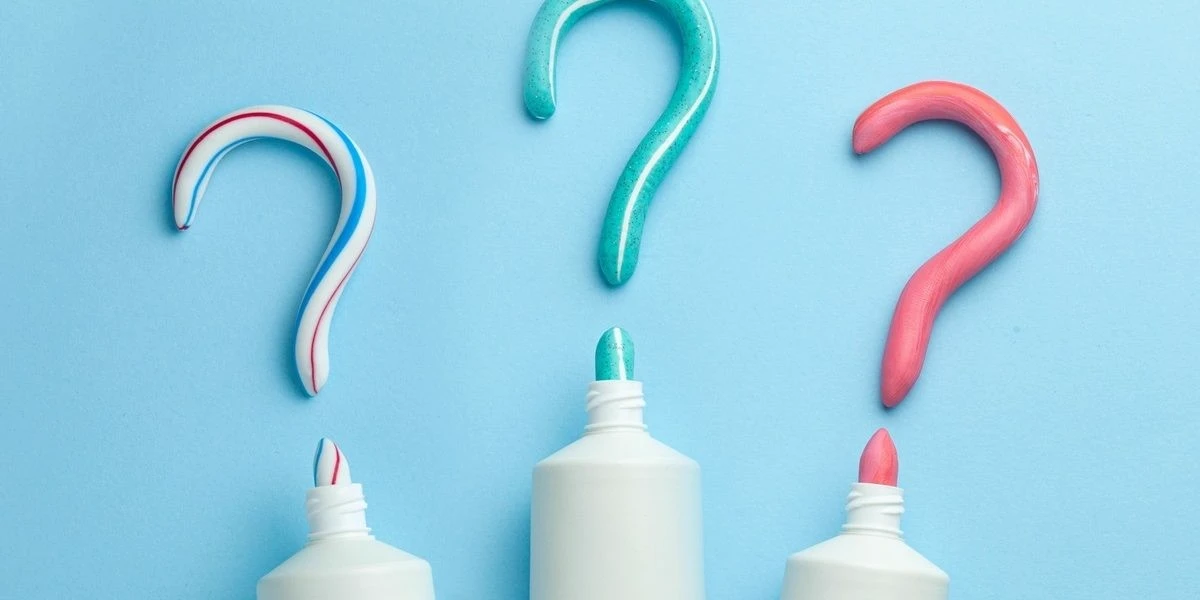
If you want good oral health, it’s not enough just to go to the dentist regularly; you also need to choose the right dental hygiene products. So how do you choose the right toothpaste?
Daily brushing is the best way to protect your teeth and gums, but good technique alone is not enough for it to do its job effectively. The tools you brush with – the toothbrush and the toothpaste – are also very important. The ideal toothpaste is one that has an antimicrobial action and protects against tooth decay and periodontal disease.
Learn how to choose your toothpaste! Things to consider when choosing the right toothpaste:
- Choose a toothpaste with fluoride and calcium. These two ingredients protect your teeth from acids while strengthening tooth enamel.
- Choose a plastic tube. Metal packaging deactivates the fluoride, so choose one that comes in plastic.
- Look for a toothpaste with gentle ingredients. Some toothpastes contain an excess of ingredients that, instead of helping, only harm your teeth. Sodium Lauryl Sulfate, Triclosan and Propylene glycol are some of the ingredients to avoid.
- Consider a toothpaste that helps prevent tartar building up on the surface of the teeth.
- If you have sensitive teeth, opt for a toothpaste for sensitive teeth. Some people experience tooth pain when the temperature changes, so ideally they should choose a toothpaste that helps reduce the discomfort.
What types of toothpaste are available?
You should be aware that toothpastes don’t work miracles and that their advertising often promises more than they actually deliver. Even so, toothpastes should be distinguished according to the benefits they offer. The condition of your mouth also matters: the best toothpaste is chosen according to your oral health, because a patient with gum problems has different needs from someone with a healthy mouth:
- Toothpastes with anti-decay agents. These usually contain fluoride to strengthen and remineralise the tooth.
- Toothpastes with antimicrobial agents. When the gums are inflamed, part of the treatment may be to use a toothpaste containing triclosan, a substance known for its antiseptic activity.
- Toothpastes for people undergoing orthodontic treatment. There are special toothpastes for people undergoing orthodontic treatment that help protect the enamel and gums from the effects of braces, while also soothing the gums themselves.
Beyond these, there are other toothpastes designed for different purposes:
- Whitening: these aim to remove stains from the teeth and keep them white.
- Desensitising: damage to tooth enamel and gum recession expose the dentin, so pain can occur with changes in temperature and in the presence of sugars. These toothpastes seal the dentin to protect the nerve endings that cause pain.
Is adult toothpaste different from children’s toothpaste?
Children’s oral hygiene, like that of adults, is essential and should become part of their daily routine from an early age. Children need to learn to look after their teeth.
Fluoride is the most important ingredient in a toothpaste and helps prevent tooth decay, especially in children, who tend to prefer sugary foods, sweets and confectionery.
However, children’s toothpaste is different from adult toothpaste, and the most important difference is precisely the amount of fluoride it contains.
Children’s toothpaste: how is it different from adult toothpaste?
As we get older, we can start choosing toothpastes with a higher fluoride content: this is precisely the difference between adult and children’s toothpaste. Fluoride helps counteract tooth decay and protects the child’s mouth. Generally, children’s toothpaste has a different composition, with a gentle formula that varies according to age.
To find out how much fluoride a toothpaste contains, check the packaging before you buy it. The recommended amount of fluoride varies with the child’s age:
- Less than 550 ppm for children aged 6 months to 2 years. The first teeth appear after 6 months, and it is advisable to start cleaning them with a piece of gauze dipped in toothpaste with a fluoride concentration of less than 550 ppm. You can also clean your little one’s tiny teeth without toothpaste at all, as the brushing action alone helps remove bacteria.
- – 1,450 ppm for children aged 2 to 6. At this age, brushing twice a day is recommended, with a toothpaste containing between 1,000 and 1,450 ppm of fluoride. For good results, the amount of toothpaste used should be the size of a pea.
- 1,450 ppm for children aged 6 and over. Children over the age of 6 should brush their teeth at least twice a day with a toothpaste containing around 1450 ppm of fluoride.
If you still have doubts or don’t know which toothpaste to use, your dentist is the one who will give you the right support in choosing the best product, taking into account all the factors listed above.
Lasă-ne un comentariu