About us Our team Treatments Cases Fees Blog Contact

Paediatric dentistry

Paediatric dentistry is the branch of dentistry dedicated exclusively to children and teenagers. Working with children requires thorough special training, both in dental conditions and in child psychology.


Dr. Leuștean's clinic has an area specially designed for children's dental care. We offer little ones a friendly atmosphere, with dentists who love their work and have thorough professional training.


Our goal is for every healthy child to grow up without cavities, without fear of the dentist, and with good eating and oral hygiene habits that last a lifetime. This brings extra benefits for oral health in the years to come.
Dr. Leustean Dental Studio

Our team of specialists will take care of your child's little teeth and introduce them to the world of dentistry – with nothing to be afraid of!

Dr. Leustean Dental Studio

At first glance, baby teeth may seem unimportant, since they will fall out and make room for the permanent teeth. But that is exactly why they need to be healthy: a healthy baby tooth protects the health of the permanent tooth that will replace it.


Many people think baby teeth do not matter, because they will fall out and be replaced. Yet baby teeth need early, basic fillings when cavities appear.


Paradoxically, this is exactly why baby teeth need proper dental care too. The health of the permanent teeth depends on the health of the baby teeth they will eventually replace.


To avoid bite problems (malocclusion), we should try to keep baby teeth in place for as long as possible, until they fall out naturally.


Children's teeth

  • Children's teeth are a concern for every parent who wants their child's smile to stay healthy and confident.
  • Caring for both baby teeth and permanent teeth is an essential step towards your child's ideal smile.

When do baby teeth come in?

There are 20 baby teeth in total: 10 in the upper arch and 10 in the lower one. It is quite normal for baby teeth to appear earlier in some children and later in others, depending on how the child is developing.


Most of the time, baby teeth follow this pattern: the lower and upper central incisors come in first, followed by the four lateral incisors and the four canines.


The first molars and then the second molars are the last baby teeth to appear in each arch. Baby teeth usually start to come in between 6 and 8 months of age and continue until about age two.

How do we care for children's baby teeth?

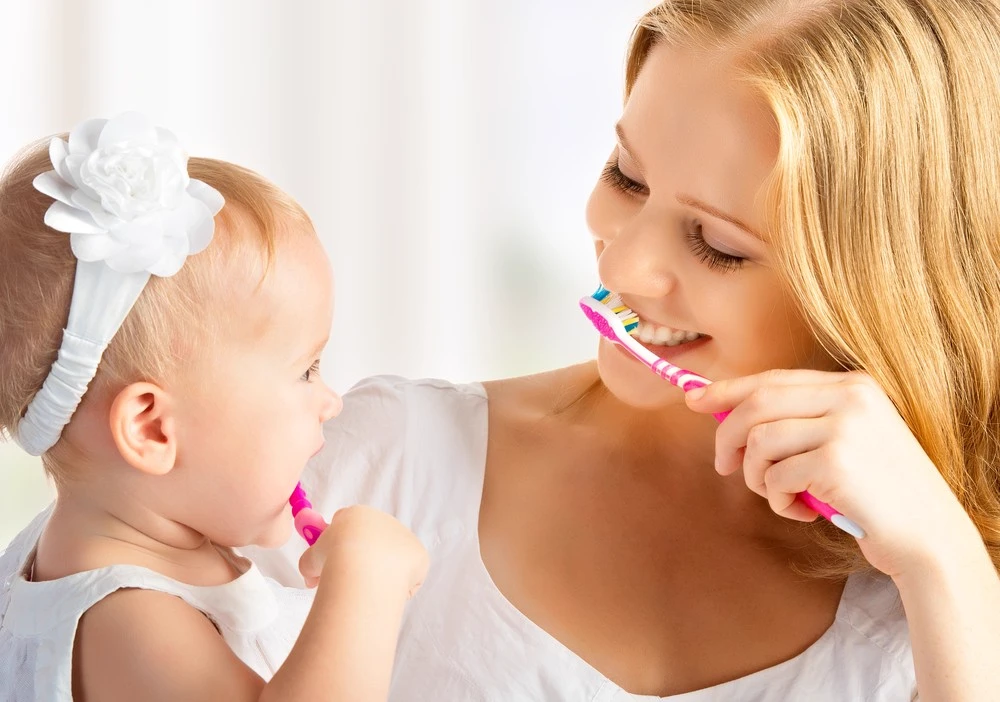
  • Baby teeth are just as essential as permanent teeth, so parents need to keep them clean.
  • After every feed, baby teeth should be wiped with sterile gauze soaked in saline solution or water.
  • They can also be cleaned with special cleaning wipes.
  • Cleaning the mouth includes the teeth that have come through, the gums, the lips and the tongue.


Dr. Leustean Dental Studio


Permanent teeth

  • Permanent teeth are essential for healthy development, because they are the teeth your child will have for life.
  • The way the permanent teeth develop can affect the health and appearance of your child's smile.
  • Without treatment, baby teeth can shift and change naturally; however, if the position of a permanent tooth changes, a visit to the dentist is needed.

When do permanent teeth come in?

Baby teeth start being replaced at around age 6 and the process continues until about age 12. The lower front teeth are replaced first, at around 6, then the upper ones at around 7, and the back teeth (premolars) come in at around 10–11.


Common dental problems

  • Without proper care, children can develop various dental problems in both baby and permanent teeth.
  • The first consequence of poor hygiene is tooth decay. In advanced stages, it can cause discomfort while eating or sleeping.
  • If ignored, decay can lead to infection, swelling and, eventually, the need for medication.
  • It can also affect the way the smile looks.
  • Weakened enamel, dental abscesses and problems with how the permanent teeth come in can all be aesthetic or structural concerns, even at a young age.
  • In such cases, treatment with braces may be recommended.

When should children first see the dentist?

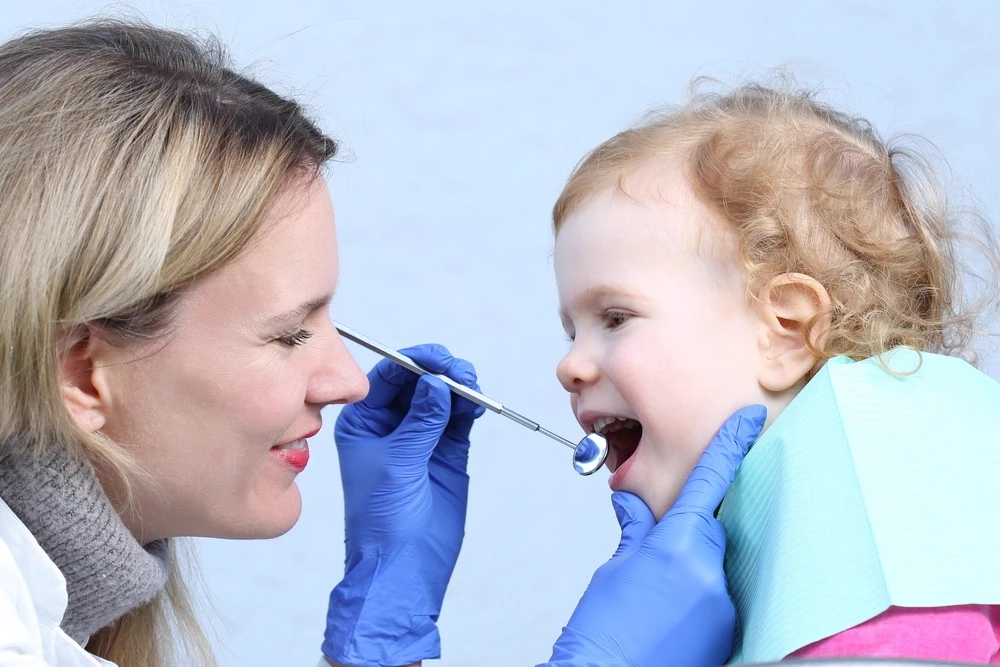
When your child's first baby teeth appear, it is time to visit the dentist. This can happen at around 6 months. At the latest, your child should see the dentist by the age of one, so the dentist can show parents how to care for their child's teeth, which are essential for the development of the permanent teeth.


Dr. Leustean Dental Studio

Give your smile the care it deserves!

Our wide range of quality treatments, our professionalism and our years of experience with complex dental cases help us remain the Artists of Your Smile.