The best teeth whitening method: how to get a brighter smile in minutes
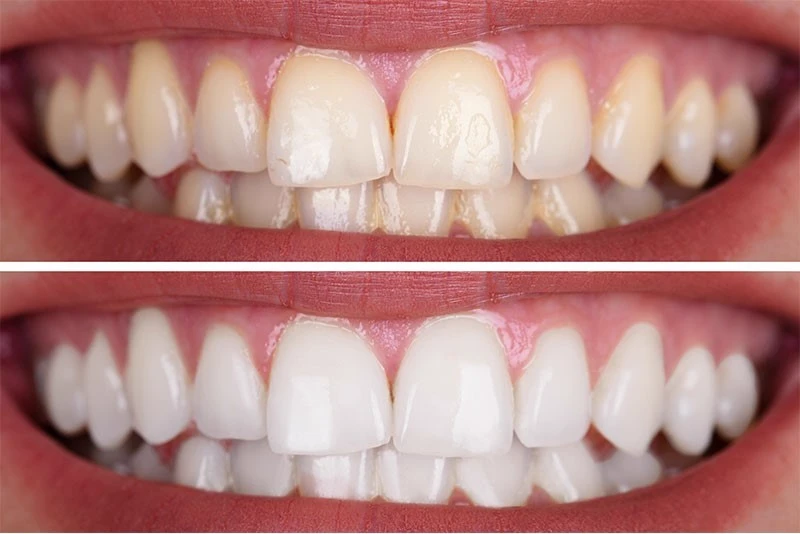
Whatever your age or profession, a bright smile is always a valuable asset in any situation. However, even people with impeccable oral hygiene can experience tooth discolouration because of their eating habits or drinks such as coffee, red wine or tea. In such cases, one of the most effective and fastest methods of teeth whitening is the one carried out at the dental surgery.
In this article we will give you useful information about the best in-surgery teeth whitening method, so you can get a brighter smile in just minutes.
What is teeth whitening?
Teeth whitening is a dental procedure that aims to remove stains and discolouration from the surface of the teeth to achieve a whiter, brighter smile. It is carried out at the dental surgery under the supervision of a qualified dentist.
The in-surgery teeth whitening procedure involves applying a substance to the surface of the teeth, usually hydrogen peroxide, which helps remove stains and discolouration. These chemicals act on the tooth enamel, penetrating the outer layer to reach the inner layer of the tooth, called the dentine. There, the substances react with the pigments that cause discolouration and remove them.
In general, in-surgery teeth whitening takes between 30 and 60 minutes and can be done in a single session, depending on how discoloured the teeth are and the patient's goals.
What causes teeth to turn yellow?
There are several causes that can make teeth turn yellow, including:
- Food and drink: Some foods and drinks, such as coffee, tea, red wine, cola, fizzy drinks, soy sauce, red fruit and sweets, can stain or discolour the tooth enamel, making teeth yellow.
- Smoking: Tobacco contains chemicals that can penetrate the tooth enamel and cause discolouration and yellowing.
- Ageing: As we age, the tooth enamel becomes thinner and wears away, making the teeth more prone to yellowing and discolouration.
- Antibiotics and other medicines: Some antibiotics and other medicines can affect the colour of the tooth enamel and cause yellowing.
- Dental trauma: Dental trauma, such as knocks or tooth fractures, can affect the tooth enamel and cause yellowing.
- Dental diseases and conditions: Some dental diseases and conditions, such as decay, periodontal disease and other gum problems, can cause teeth to turn yellow.
How to prepare for in-surgery teeth whitening
Proper preparation before in-surgery teeth whitening can help you get the best results. Here are some important things you should do to prepare for the procedure:
- Talk to your dentist - before deciding to have in-surgery teeth whitening, you should talk to your dentist. They will be able to give you information and advice about the process.
- Have a dental examination - your dentist should carry out a dental examination before performing in-surgery teeth whitening. This will help detect any dental or gum problems that could affect the procedure and establish a suitable treatment plan.
- Look after your teeth and gums - before the procedure, you should make sure your teeth and gums are healthy and clean. This should include good oral hygiene, such as regular brushing and flossing, as well as a recent visit to your dentist for a professional cleaning.
- Avoid foods and drinks that stain teeth - before the procedure, you should avoid foods and drinks that can stain your teeth, such as coffee, tea, red wine, soy sauce and red fruit. These can interfere with the effectiveness of the whitening.
What are the effects of in-surgery teeth whitening?
The effects of in-surgery teeth whitening are visible immediately after the procedure and can be significant. Your teeth will look whiter and brighter, and the effects can last from a few months to a few years, depending on the whitening method used, your eating habits and your oral hygiene.
How long can the whitening effects last, and what factors can affect this?
The results of professional teeth whitening can last from a few months to a few years, depending on several factors. Here are some of these factors and how they can affect how long the whitening lasts:
- Eating habits: Consuming foods and drinks that stain the teeth, such as coffee, tea, red wine or soy sauce, can make the teeth discolour more quickly. If you enjoy these foods and drinks, you can try to limit them or drink through a straw to reduce contact with your teeth.
- Oral hygiene habits: Good oral hygiene, such as daily brushing, flossing and regular visits to your dentist for a professional cleaning, can help keep your teeth white. Without good oral hygiene, your teeth may start to discolour more quickly.
- Smoking: Smoking can cause yellowing and discolouration of the teeth, so giving up the habit can help keep your teeth white and bright.
- Genetic factors: Tooth colour is influenced by genetic factors, so some people may be more successful than others at maintaining the effects of whitening.
- Age: Teeth can start to discolour with age, so older people may need more whitening treatments to keep a white, bright smile.
Lasă-ne un comentariu