Dental myths: how to tell what's true and what's false
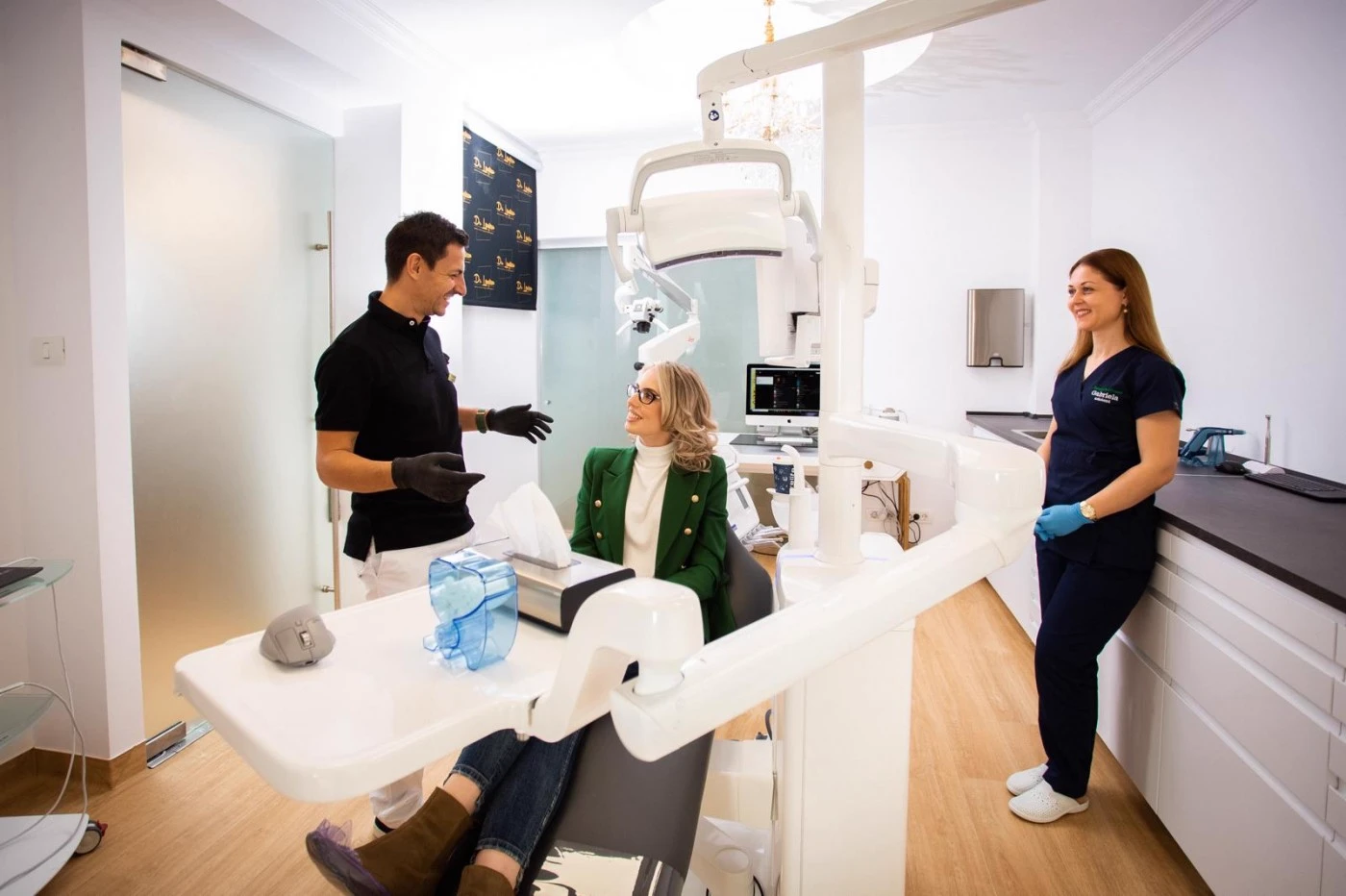
In dentistry, a number of myths and popular beliefs have circulated over time, often confusing patients and causing them worry about their dental health. From the idea that teeth whitening can damage enamel to the assumption that toothache is always a sign of tooth decay, these myths can influence how patients behave and how they look after their oral hygiene.
In this context, it is essential to separate fact from fiction when it comes to dental health. In this article we will debunk some of the most widespread myths in dentistry, offering information based on scientific evidence and professional experience.
We will also look at how you can educate yourself and find reliable information so you can make sensible decisions about your dental care. We will also highlight the importance of seeing a dentist to get personalised advice and benefit from the right treatment and guidance.
Myth 1: Teeth whitening damages enamel
Arguments against this myth
The myth that teeth whitening can damage enamel is a common concern among people who want to improve the appearance of their smile. However, there are strong arguments against this myth, backed by dental experts:
Concentration of active ingredients: Modern teeth whitening procedures use active ingredients such as hydrogen peroxide in controlled concentrations. These substances are formulated to whiten teeth effectively without compromising the structure of the enamel.
Professional monitoring: When whitening is carried out under the supervision of a dentist, they can monitor the process continuously to avoid potential side effects. Professional supervision ensures the treatment is carried out safely and effectively.- Advanced technologies: Advances in dental technology have led to whitening methods that minimise tooth sensitivity and protect the enamel. These advanced technologies help keep the tooth structure healthy during and after whitening.
Scientific evidence supporting the safety of teeth whitening:
Numerous clinical studies have been carried out to assess the impact of whitening procedures on tooth enamel. Their findings have repeatedly shown that teeth whitening, when performed properly, does not damage the enamel.- Articles published in recognised medical and dental journals have confirmed the safety of teeth whitening procedures and highlighted their benefits in improving the aesthetics of the smile.
- Leading dental organisations, such as the American Dental Association, have issued recommendations supporting the safety of teeth whitening, stressing the importance of following professional protocols.
Myth 2: Toothache is always a sign of decay
Although tooth decay is a common cause of toothache, there are many other conditions and factors that can contribute to this discomfort. It is important to recognise that dental pain is not always linked to decay, and a proper assessment of the symptoms can identify the underlying cause. Some alternative causes of toothache include:
Tooth sensitivity: Thin enamel or receding gums can expose the sensitive nerves inside the teeth, causing pain in response to thermal, chemical or mechanical stimuli.- Damage to the dental pulp: Infection or inflammation of the dental pulp can cause intense, continuous pain that can sometimes be mistaken for the symptoms of decay.
- Gum problems: Gum conditions such as gingivitis or periodontitis can be accompanied by sore or bleeding gums, which may be mistaken for toothache.
- Sinus problems: Sinus infections or inflammation can radiate to the upper jaw, often mimicking toothache.
Bruxism: The habit of grinding your teeth at night can cause tooth and jaw pain.
Why it is important to see a dentist for an accurate diagnosis
To correctly assess the causes of toothache, it is crucial to see a dentist. They will carry out a detailed examination, taking into account the patient's medical history and current symptoms. Together with X-rays and other investigations, the dentist can make an accurate diagnosis and recommend the appropriate treatment.
Seeing your dentist regularly not only helps to identify and treat dental problems promptly, but also prevents further complications. Don't ignore dental pain on the grounds that it is inevitable or that it can only mean decay. With the right diagnosis and appropriate treatment, you can maintain your oral health and avoid unnecessary discomfort.
Myth 3: Tooth decay is hereditary
Scientific evidence that contradicts this belief
The myth that susceptibility to tooth decay is determined mainly by genetic factors has been contradicted by scientific research in dentistry. The evidence shows that heredity plays a smaller role in the development of decay than was previously thought:
Studies of identical and non-identical twins have shown that, despite their genetic similarity, there are significant differences in the presence of decay. This suggests that environmental and behavioural factors have a greater influence than genetics.- Children growing up in the same family may have different diets and hygiene habits, which directly affects their risk of developing decay. Factors such as sugar intake, oral hygiene and access to dental care have a significant impact on dental health.
- People with a genetic predisposition to decay can prevent cavities from developing by adopting good hygiene habits and changing their diet. This underlines the importance of behavioural influences on how the disease progresses.
The role of dental hygiene and eating habits in preventing decay:
Regular brushing and flossing help to remove bacterial plaque and prevent the build-up of food debris that can lead to decay. Good oral hygiene is essential for maintaining dental health.- Sugary foods are a major risk factor for decay. Limiting sweets and sugary drinks reduces the teeth's exposure to acidity and prevents cavities from forming.
- Regular check-ups with your dentist allow decay and other dental problems to be identified and treated early. Prevention and early intervention can stop the disease from progressing and prevent complications.
How can you tell what's true and what's false?
In the digital age, information is just a few clicks away, but it is crucial to evaluate sources carefully to make sure the information is reliable and scientifically verified.
- A few things to consider include:
Accreditation of the source: Information provided by medical organisations, academic institutions and accredited dental practices is more likely to be accurate and up to date. - Reputation of the source: By looking at feedback and reviews from other users, we can get an idea of the quality of the information a particular source provides.
- How current the information is: In dentistry, research and practice evolve quickly. Up-to-date information is essential to make sure it is relevant and in line with the latest scientific findings.
Why it is important to see a dental specialist
Although information available online can provide a solid foundation, seeing a dental specialist remains essential for properly assessing and managing dental problems. Here's why:
- Accurate diagnosis: Only a dentist can make a correct, personalised diagnosis, taking into account the patient's medical history and carrying out clinical and radiological examinations.
- Appropriate treatment: Dental specialists can offer personalised treatment options and advice based on the patient's individual needs.
- Prevention and education: A dentist not only treats existing problems, but also teaches the patient about proper dental hygiene and preventive measures to avoid future problems.
Lasă-ne un comentariu