Decay in baby molars: 5 reasons to take your child to the dentist
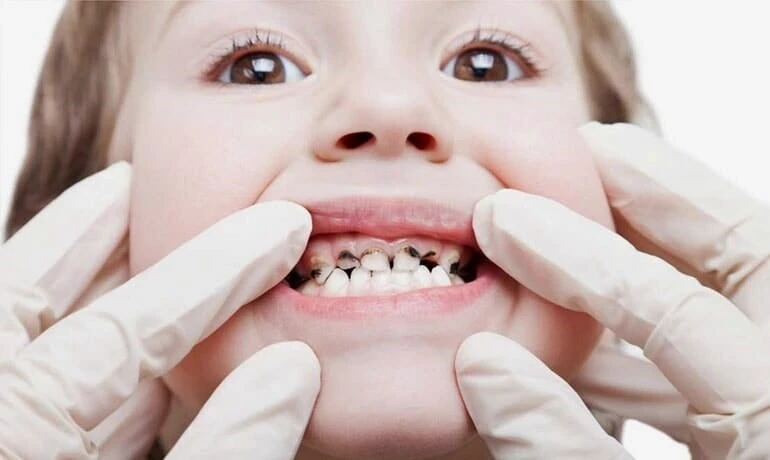
When we talk about decay in baby molars, we are referring to one of the most common and recurrent dental conditions in children
Tooth decay is one of the most widespread conditions in dentistry. It is a process that damages the hard tissues of the tooth, caused by bacteria in the mouth that take refuge in the plaque and tartar on the dental arch.
The teeth most affected by decay are usually the molars, premolars and upper incisors. What should you do when you notice this problem on your child’s baby molars? We’ll explain below.
5 reasons to take your child to the dentist when they have decay in their baby molars
Decay in baby molars is a much more common problem than we think. To avoid complications, it is therefore very important to treat it as soon as possible, because, as well as causing pain, it can affect the dental pulp and even the appearance and development of the permanent teeth.
If dreaded tooth decay is left untreated, it can cause a serious health problem for your child, as follows:
- They will feel discomfort when eating;
- If they don’t chew properly, various digestive problems may arise;
- If the decay affects the nerve, it can cause severe pain and, in addition, the problem can spread to the permanent teeth, which may already be decayed or have other serious problems when they come through;
- The bacteria that cause decay in baby molars can affect the permanent teeth underneath, with everything that this can entail: damage, stains, changes to the enamel and so on.
- If decay in baby molars is not treated, it can cause infections and the premature loss of teeth, which could create problems later on, because the permanent teeth can drift into the gaps left behind and make it harder for other teeth to come through later.
It is important to take your child to the paediatric dentist regularly, so that from an early age they realise that this is a normal and very important activity, that they should look after their oral hygiene, and that there is nothing to be afraid of, because the dentist is there to help keep their mouth healthy.
Oral hygiene in children
Decay in baby teeth affects on average 20% of children aged 4 to 12, who, even in childhood, are at risk of diseases and disorders of the mouth. To avoid painful treatment and consequences for the permanent teeth, it is essential to teach children good daily oral hygiene from the start and to get them used to a healthy, low-sugar diet.
Conclusions
Remember that, for your little ones to have healthy permanent teeth, it is essential that they keep their baby teeth in good condition and have any oral problems treated.
Teeth are the only part of the human body that cannot regenerate. That is why detecting decay early is essential to avoid later problems. When it comes to decay in baby teeth, any infection of the baby tooth will affect the permanent tooth. So bring your little one to the dentist whenever necessary! Book them an appointment right now!
Lasă-ne un comentariu