Expecting a baby? Congratulations! When did you last see a dentist?
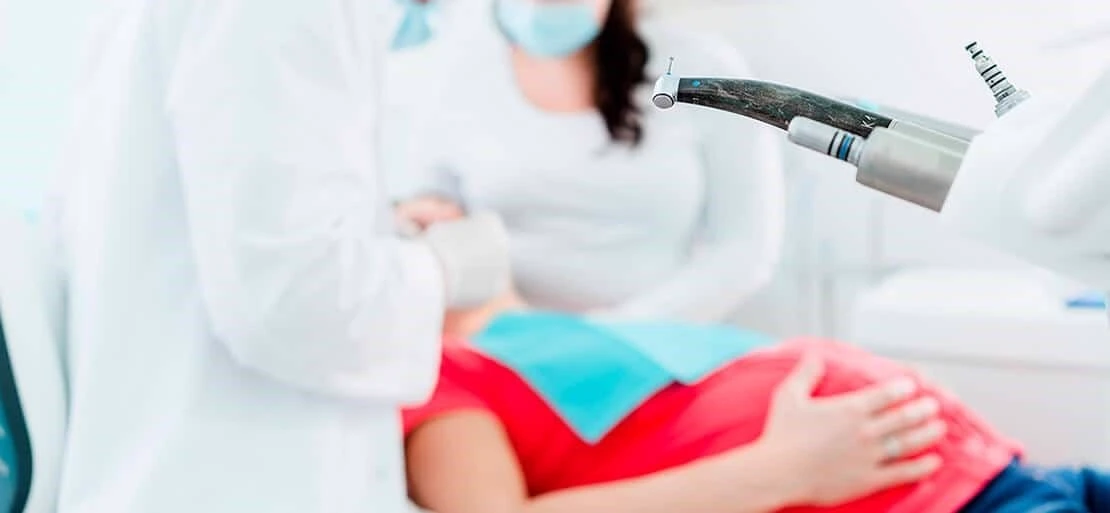
Oral health during pregnancy is essential for both mother and baby.
During pregnancy, because of the physiological changes taking place in her body, a woman may experience various dental conditions. Prevention is essential, both when she decides to have a baby and once she becomes pregnant.
At our Dental Studio Dr. Leustean clinic we always recommend prevention, regular check-ups and proper professional and daily oral hygiene, to avoid diseases caused by the build-up of dental plaque.
Prevention during pregnancy
A pregnant patient should eat foods rich in vitamins, minerals and nutrients, starting with fresh fruit and vegetables, and should avoid eating too many sweet treats, complex sugars, sweets and sugary drinks, and foods containing various preservatives.
More tips for mums-to-be:
- use non-abrasive toothbrushes to avoid damaging the tooth surfaces;
- brush your teeth at least twice a day and use dental floss or other aids such as a water flosser;
- have a professional cleaning session if you have not had one in the past six months or if a new particular problem has appeared.
About to become a mum? Your oral health affects your baby’s health.
Pregnancy can make women more prone to developing oral diseases such as tooth decay, gingivitis and periodontal disease. According to recent scientific research, the many physiological changes that accompany pregnancy can significantly affect women’s oral health. That is why pregnant women are advised to pay extra attention to every aspect of their oral health during this special time, including more frequent check-ups and professional cleaning sessions, to avoid risks to the unborn baby.
What is more, if women experience nausea or gastro-oesophageal reflux during pregnancy, this can cause dental erosion, with a risk of tooth decay and even inflammatory complications. The gum tissue of pregnant women can also develop problems, such as inflammation caused by harmful gum bacteria, as a result of hormonal, vascular and immunological changes.
Other scientific studies have brought to light another far from negligible fact: the presence of tooth decay and decay-causing oral bacteria in the mother increases the risk of tooth decay in the baby.
Oral conditions that can occur during pregnancy:
- Pregnancy gingivitis. This is one of the most common conditions and is caused by levels of the hormone oestrogen that make the gums inflamed, which can make brushing difficult and lead to a build-up of plaque and tartar, ultimately resulting in gingivitis.
- Tooth decay. Vomiting can demineralise the teeth, which may lead to erosion or decay at the neck of the tooth. We recommend that mums-to-be brush their teeth 20 minutes after vomiting.
- Mouth ulcers. Mouth ulcers are sores that appear mainly on the inside of the cheek or lip or on the tongue and cause a burning sensation. However, mouth ulcers can be avoided with meticulous oral hygiene and a healthy diet.
- Xerostomia (dry mouth). This condition occurs mainly in the first trimester of pregnancy, but also in the third.
- Sialorrhoea (excessive saliva production). This condition leads to a build-up of plaque and tartar
When should you see the dentist during pregnancy?
To prevent problems during pregnancy, it is advisable for the mother-to-be to have an oral health check-up and, if necessary, any treatment before becoming pregnant.
However, for check-ups and/or dental treatment, mums-to-be can see the dentist at the start of the second trimester – that is, from the 14th to the 20th week of pregnancy, when the risk of miscarriage is lower than in the first trimester and the baby’s organs have finished forming.
The second trimester is considered the ideal time to prevent or treat dental conditions, as the patient can sit in the correct position in the chair: in fact, up to 20 weeks of pregnancy the womb sits below the navel, so dental treatment can be carried out more comfortably than later on.
So pregnancy is not incompatible with routine dental treatment or with treatment for inflammation or advanced conditions. Today, pregnant patients can be treated using practices that are completely safe for the health of both mother and unborn baby. We look forward to welcoming you to our clinic!
Lasă-ne un comentariu