How does decay in baby molars affect the development of permanent molars?
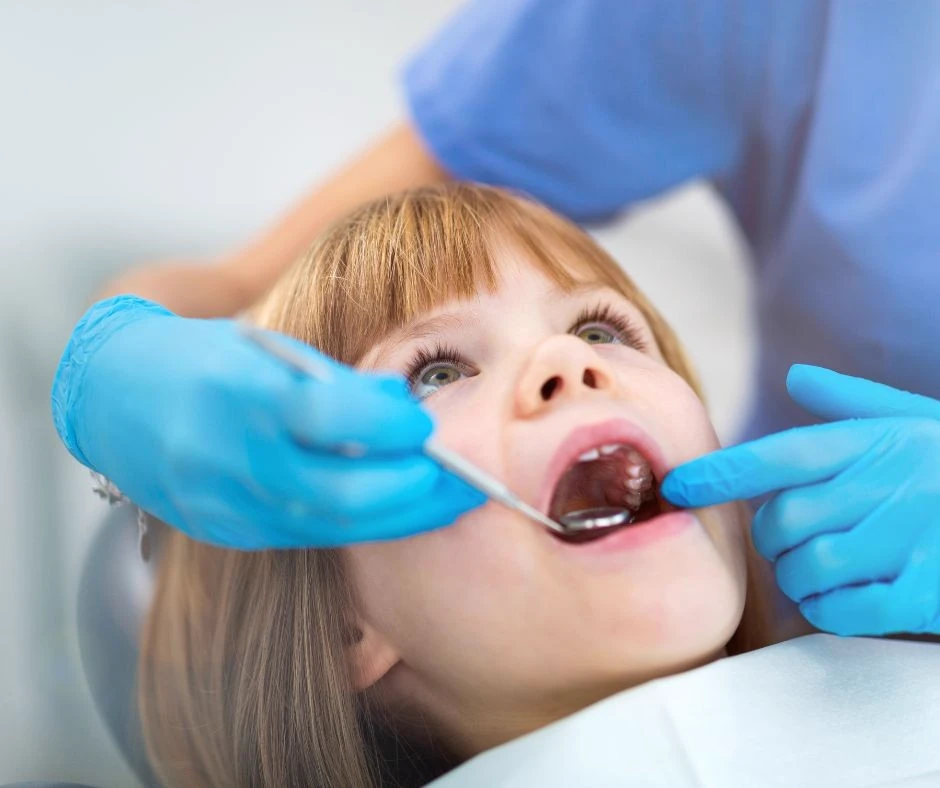
The subject of baby teeth is closely tied to a question that, over the years, still seems unresolved: should they be treated as if they were permanent teeth or not, given that they are bound to fall out?
We want to give you the right information: if a cavity appears in your little one’s baby teeth, take them to the dentist straight away so that the decay can be treated promptly.
In fact, this is the best and also the least expensive way to give the permanent teeth a better chance of coming through healthy.
Tooth decay, one of the conditions that commonly affect baby teeth
Decay, a slow and progressive process that leads to the destruction of the tooth, requires specific dental treatment even when it affects a baby tooth. A decayed and untreated molar, for example, may fall out prematurely and so compromise the correct alignment of the permanent molar.
Causes of decay in baby teeth
As with adults, poor oral hygiene and too much sugar are the main causes of tooth decay in children. The only difference is that decay progresses much faster in little ones. Unfortunately, baby teeth have a larger pulp chamber, and the tissue covering it is thinner than in a permanent tooth. For this reason, bacteria manage to eat through the enamel of baby teeth and quickly reach the dentine, causing severe pain.
There is another factor that can cause tooth decay: fluoride deficiency. In this case, the dentist or paediatrician will suggest preventive treatment against decay, which involves adding fluoride to the child’s diet.
Decay in baby teeth and permanent teeth
Inside the dentine is a soft tissue known as the pulp, which is rich in blood vessels and nerve fibres. Baby teeth and permanent teeth have the same structure, but the thickness of the hard tissues and the extent of the soft tissues that make them up are different. In baby teeth, the enamel is thinner and less resistant than in permanent teeth, and the layer of dentine is thinner too. This is one of the reasons why decay affecting a baby tooth progresses much faster than decay affecting a permanent tooth, reaching the pulp if it is not treated in time.
Decay develops particularly quickly because there is less enamel to protect the baby tooth, and if it is not treated in time it can get worse rapidly. Moreover, it goes without saying that a baby tooth is less resistant than a permanent tooth, since it only has to stay in the mouth for about 10 years, unlike permanent teeth, which have to last a lifetime.
So, for the permanent teeth to be healthy, decay in baby teeth must be treated.
Regular check-ups for baby teeth
Let’s dispel the myth that baby teeth do not deserve the same care as permanent teeth because “they’ll fall out anyway”. Baby teeth need to be looked after and kept healthy for good dental development. For this reason, it is advisable to take your child for their first dental visit at around 18 months, unless there are good reasons to go earlier.
The dentist will recommend follow-up check-ups every six months or once a year. Regular visits to a dental clinic are crucial in helping little ones look after their teeth properly.
At Dental Studio Dr. Leuștean we also specialise in paediatric dental treatment and can support your little ones every step of the way as they grow.
Lasă-ne un comentariu