Everything you need to know about periodontal disease
When we talk about oral health, we must remember that the focus cannot be on the teeth alone. After all, all the tissues of the mouth can also be affected by problems. One of these, which causes the greatest concern among dentists, is periodontal disease, commonly known as gum disease.
Periodontal disease affects the tissues that support and protect the teeth, which can lead to tooth loss. In addition, the bacteria that multiply as a result of this disease can trigger systemic conditions in the patient.
What is periodontal disease?
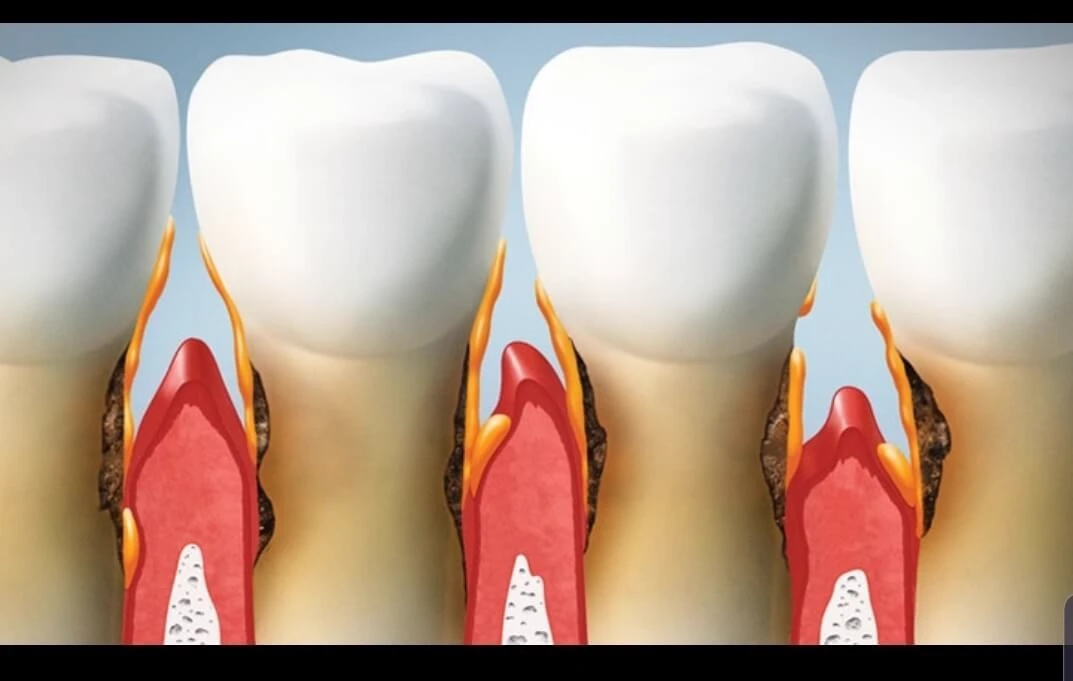
The main characteristic of periodontal disease is that it does not specifically affect the tooth itself. It affects the tissues around it that provide its support and protection, namely the periodontium, made up of the gum, the periodontal ligament and the alveolar bone.
Periodontal disease consists of chronic inflammation or infection which, if it progresses untreated, has serious consequences, such as:
- gum recession;
- resorption of the periodontal tissues;
- formation of periodontal pockets;
- loose teeth;
- tooth loss.
Besides these complications confined to the mouth, periodontal disease is linked to systemic complications. This is because the bacteria that multiply at the affected site can migrate through the body, reaching the lungs and the heart. This can, for example, trigger bacterial endocarditis and encourage other infections to take hold.
What causes periodontal disease?
In most cases, periodontal disease begins with dental plaque, a film made up mainly of bacteria. If oral hygiene is poor, plaque can eventually lead to periodontal disease:
- Plaque forms on the teeth when starches and sugars from food interact with the bacteria normally found in the mouth. Brushing your teeth twice a day and using dental floss and an oral irrigator eliminate the chances of developing periodontal disease.
- Plaque can harden below the gum line and turn into tartar. Tartar is harder to remove, and the longer plaque and tartar stay on the teeth, the more damage they can cause. You cannot get rid of tartar by brushing and flossing – you need a professional dental cleaning to remove it.
- Plaque can cause gingivitis, a gum disease. Gingivitis is irritation and inflammation of the part of the gum tissue that surrounds the base of the teeth.
- Ongoing gum inflammation can cause periodontitis, which eventually leads to periodontal pockets forming between the gums and the teeth. Over time, these pockets become deeper and collect more and more bacteria. If left untreated, these deep infections cause tissue and bone loss and, eventually, you may lose one or more teeth. In addition, ongoing chronic inflammation can overwhelm your immune system.
- Although the main reason periodontal disease develops is neglected oral hygiene, some people are more prone to developing it. This is the case for smokers and people with diabetes, as well as pregnant women, due to hormonal changes.
What are the signs and symptoms of periodontal disease?
Because periodontal disease starts with gingivitis, patients may notice the problem themselves while it is still at an early stage. At this stage, the symptoms of gingivitis are:
- bleeding gums;
- change in gum colour;
- redness;
- changes in tissue texture;
- swelling;
- tenderness.
As explained, if it is not treated at this stage, gingivitis progresses to periodontitis. Because it is usually a chronic problem, it does not cause pain, but it has characteristic symptoms such as bleeding.
In addition, gum recession may be noticed, which makes the teeth look longer and, in many cases, causes sensitivity because the roots are exposed. As the problem progresses, the periodontal tissues are also resorbed. There may also be damage to the periodontal ligament and the alveolar bone. As a result, the teeth become loose. This tends to worsen as the condition becomes more advanced and, over time, leads to tooth loss.
How is this disease diagnosed?
Periodontal disease is diagnosed through a clinical examination of the tissues. The dentist assesses the symptoms to identify the changes and bleeding that indicate periodontal disease.
How can periodontal disease be prevented?
Because periodontal disease is caused by poor hygiene and a lack of dental visits, it is prevented by removing plaque and tartar. Prevention therefore starts with oral care at home and continues with treatment at the dentist's.
These preventive dental visits should take place every six months. However, when a patient is more prone to periodontal disease, they may be advised to have preventive dental care every four months.
Diabetic patients also need to keep their blood glucose levels under control because of their greater susceptibility. In addition, it is essential to avoid smoking as far as possible, as it impairs microcirculation and makes inflammation more likely.
What treatments are available for periodontal disease?
Periodontal disease can be treated, but the approach depends on its severity, which may be mild, moderate or severe. The first step is to remove plaque and tartar through simple preventive cleaning, without surgery.
At the same time, the dentist needs to look for areas that encourage plaque retention. These need to be corrected to avoid plaque build-up as far as possible. After this initial treatment, the patient will be reassessed to check the results and see whether the cleaning needs to be repeated or whether surgical treatment will be needed.
Surgical treatment is carried out to reach deeper areas or to encourage the regeneration of periodontal tissue. Much depends on how the patient has responded to treatment and on their needs.
Periodontal disease significantly compromises the patient's oral health and poses risks to their general health. Early diagnosis is therefore very important, as is appropriate treatment by the dentist to limit the progression of the disease and minimise its consequences.
If you suffer from periodontal disease, the dentists at Dental Studio Dr. Leuștean will help you get rid of this condition, which leads to tooth loss.
Lasă-ne un comentariu